
The Threads That Bind Us: Discovering Chumpis in Peru
Travel has a way of showing us reflections of ourselves in places we least expect.
During a recent midwifery study tour through Peru, I became fascinated by the vibrant textiles created and worn by women across the Andean highlands. Among the woven blankets, skirts, and shawls was a remarkable item: known as the chumpi—a traditional belt carrying deep cultural and spiritual significance.
We were introduced to chumpis during an educational session on our tour and were encouraged to look for them in local markets and communities. At first glance, a chumpi is a beautifully woven belt, rich in colour and intricate pattern. Yet as I learned more, I discovered it is so much more than an accessory. It is a living expression of culture, identity, and womanhood. Often referred to as medicine belts, they are traditionally wrapped around women and girls during menstruation, pregnancy, and other important life transitions to support and protect the womb.
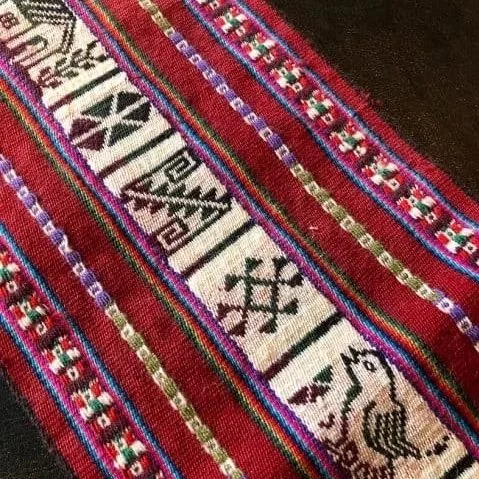
Each chumpi is woven with a unique combination of colours, symbols, and repeated patterns that tell a story about the woman who wears it, her family lineage, her community, and her connection to sacred Andean cosmology. No two are alike. Every design carries meaning, the patterns represent mountains, rivers, animals, ancestors, and the history of a community. Every motif preserves memory.
Traditionally, chumpis are woven by women for women—created by mothers, daughters, grandmothers, and community members. In many Andean traditions, they are regarded as an expression of feminine wisdom and strength, reflecting the interconnected relationship between women, the land, ancestry, and the cycles of life.
What resonated with me most was the practical role these belts continue to play in women's lives. Chumpis are worn to support the body during daily work, pregnancy, and the postpartum period. They offer physical stability while symbolising strength, resilience, and connection. In many ways, they embody the understanding that women have long held—that care, support, and tradition are woven together.
As a midwife, I was deeply moved by this. Across cultures and continents, women have developed rituals, practices, and tools to support one another through life's transitions. The chumpi felt like a beautiful reminder that motherhood and women's wellbeing have always been held within community wisdom.
Standing in the Andes, surrounded by landscapes that have shaped generations of women before us, I couldn't help but reflect on the threads that connect us all. Different languages. Different customs. Different countries. Yet many of the same stories of birth, family, belonging, and resilience.
Today, chumpis continue to be woven, worn, gifted, and treasured. They are a testament to the endurance of Indigenous knowledge and the artistry of women whose hands continue to preserve ancient traditions.
A simple belt, perhaps.
But also a lineage, a language, and a legacy. And a reminder that the strongest threads are often the ones that connect us to those who came before.
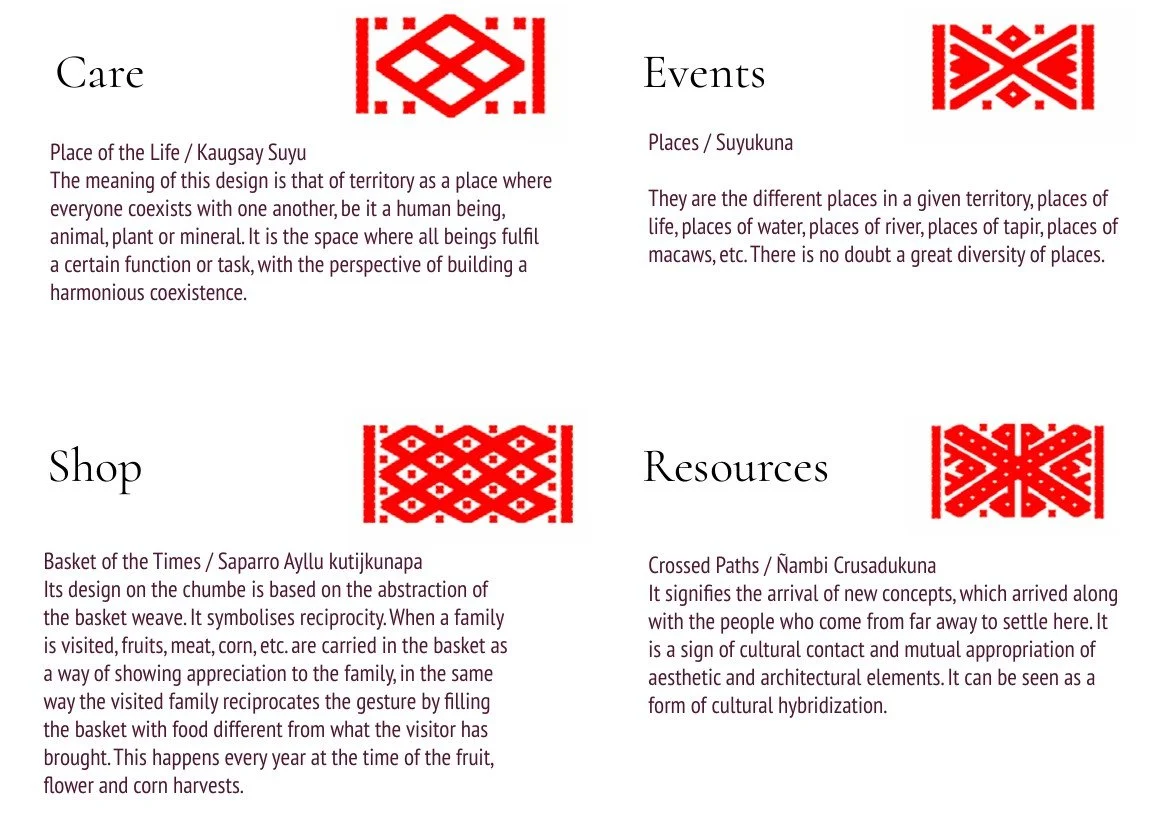
Common patterns represented in the Chumpi and their meanings - I have used these patterns to create category icons on the website
